
Keto Flu in the First Weeks: Symptoms, Timing and When to Call a Doctor
Keto flu is a set of short-term symptoms, mainly flu-like feelings, headache, tiredness, nausea and dizziness, that some people get after cutting carbs. In one study of self-reports, symptoms peaked in the first week and faded after about four weeks. Drink water, eat regular meals and ask a doctor first if you take diabetes medicine.
What is keto flu?
Keto flu is a set of short-term symptoms some people feel when they start a keto diet. It is not a real flu and it is not catching. It is your body adjusting to running on less carbohydrate (StatPearls, Ketogenic Diet, 2023).
A keto diet usually cuts carbs to under 50 grams a day, sometimes as low as 20 grams, with 70 to 80% of calories from fat (Harvard Nutrition Source, Ketogenic Diet review, 2025). That is a big change from a typical diet, and the first weeks can feel rough.
The good news: for most people, it passes. This guide explains what to expect, how to look after yourself, and when to call a doctor. If you are planning your first keto weeks, the keto diet guide is a good companion.
Keto flu symptoms: what people report most
The most common symptoms are flu-like feelings, headache, tiredness, nausea and dizziness. A study of online forum posts about keto flu counted how often each one came up (Bostock et al., 2020).
Share of keto flu reports that mentioned each symptom (Bostock 2020)
Constipation is also listed among short-term keto symptoms (StatPearls, Ketogenic Diet, 2023). These numbers come from what people posted online, not from a controlled trial. They show what is common, not what will happen to you.
Ready to try Retride?
Best value$49 a bottle · $294 for 6 $1,074
When does keto flu start, and how long does it last?
Worst in week one, fading by week four.
It usually starts in the first days and fades within about four weeks. Keeping carbs at 20 to 50 grams a day often leads to ketosis within two to four days (Cleveland Clinic, Ketosis, 2022). In the online reports, symptoms peaked in the first week and faded after about four weeks (Bostock et al., 2020).
- Day 1
Carbs drop
You start eating under about 50 g of carbs a day.
- Day 3
Ketosis begins
Often within two to four days at 20–50 g of carbs.
- Day 7
Symptoms peak
The first week is when most people feel worst.
- Day 28
Fading
For most, symptoms ease by about week four.
Everyone is different. Some people feel fine by day five. If you still feel unwell after a month, or feel worse instead of better, talk to your doctor.
Why does keto flu happen?
Your body is switching fuels. On a usual diet, cells run mostly on glucose from carbohydrate. When carbs fall below about 50 grams a day, the liver starts turning fat into ketones, and the body learns to use them.
That shift takes time. During it, many people also notice changes in thirst and how often they use the bathroom, which is why water and minerals come up so often in keto advice.
- 1
Carbs fall
You cut bread, rice, sugar and most fruit.
- 2
Fat becomes fuel
The liver makes ketones from stored and eaten fat.
- 3
Water and minerals shift
Thirst and bathroom trips may change for a while.
- 4
The body adapts
Most people feel normal again within a few weeks.
Keto flu and electrolytes, in plain words
Electrolytes are minerals that carry a small electric charge in your body fluids. They help nerves send signals and muscles contract. The main ones are sodium, potassium, magnesium and calcium.
Because keto changes how you handle water, many people connect keto flu with electrolytes. Our sources do not set a keto flu dose for any of them, so we do not give one. What they do give are general daily limits for adults.
Electrolytes and the general limits from U.S. sources
| Mineral | What it does, simply | Daily reference (adults) |
|---|---|---|
| Sodium | Balances fluid and blood pressure | Under 2,300 mg a day (FDA, Sodium in Your Diet, 2024) |
| Magnesium | Helps muscles and nerves | Supplement upper limit 350 mg a day (NIH ODS Magnesium fact sheet, 2026) |
| Calcium | Bones, muscles and nerves | Upper limit 2,000–2,500 mg a day (NIH ODS Calcium fact sheet) |
| Potassium | Heart rhythm and muscles | Ask your doctor; not covered by our sources |
Plain steps most people can take: drink water through the day, eat regular keto meals with low-carb vegetables, and rest. Before adding salt or a mineral supplement, ask your doctor, especially if you have high blood pressure, heart disease or kidney disease, or take medicine for them. Too much magnesium from supplements can cause diarrhea and cramps (NIH ODS Magnesium fact sheet, 2026).
Can Retride help with keto flu?
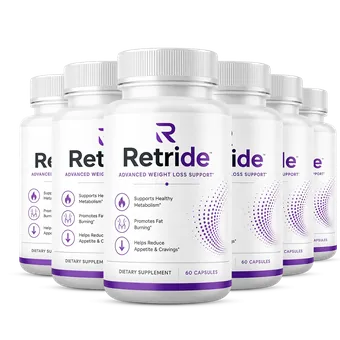
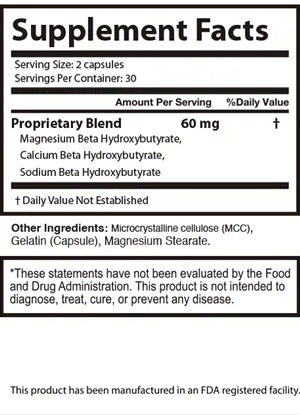
There is no evidence that it does. Retride is a capsule with a 60 mg blend of magnesium, calcium and sodium BHB per serving. No study has tested it, or any 60 mg BHB dose, for keto flu.
Its minerals are small too. Because the whole blend is 60 mg, the sodium, calcium and magnesium in it add up to less than 60 mg. That is tiny next to the daily figures in the table above. It is not an electrolyte supplement.
If you take Retride, follow the label: two capsules daily with an 8 oz. glass of water. Its claims, such as "Supports Healthy Metabolism*", are the brand's words and have not been evaluated by the FDA. For how it fits a keto routine, see how to use Retride.
Start your 60-day window today
Best value$49 a bottle · $294 for 6 $1,074
When to call a doctor about keto flu symptoms
Call a doctor if symptoms are severe, last more than a few weeks, or you simply feel something is wrong. Get urgent care right away for any of these:
- Vomiting that will not stop, or you cannot keep fluids down
- Confusion, fainting or trouble breathing
- A racing or irregular heartbeat
- Signs of low blood sugar, such as shaking, sweating or confusion, if you take diabetes medicine
Who should not go strict keto, or start Retride, without a doctor?
Some people need a doctor's plan before a strict keto diet. The Retride label also says pregnant or nursing women, children under 18 and anyone with a known medical condition should consult a physician first. Answer these questions for yourself. Nothing is saved or sent.
For more, read side effects and who Retride is for.
Keto flu questions
What are the symptoms of keto flu?
The most reported are flu-like feelings, headache, tiredness, nausea and dizziness. Some people also get constipation. In one analysis of online forum reports, flu-like feelings were mentioned in 44.6% of reports and headache in 24.8%.
How long does keto flu last?
For most people it is short. In one study of self-reports, symptoms peaked in the first week and faded after about four weeks. If symptoms are severe or do not ease, call a doctor.
When does keto flu start?
Usually in the first days of cutting carbs. Keeping carbs at 20 to 50 grams a day often leads to ketosis within two to four days, and symptoms tend to show up in that first week.
What helps keto flu?
Time is the main fix, since symptoms usually fade within weeks. Drinking water, eating regular meals and resting can help you feel better. Ask a doctor before adding salt or mineral supplements, especially if you have blood pressure or kidney issues.
Is keto flu dangerous?
Keto flu itself is usually mild and short. It is not the same as ketoacidosis, a dangerous state where the blood turns acidic. Get urgent care for vomiting that will not stop, confusion or trouble breathing.
Do electrolytes help keto flu?
Many people link keto flu to shifts in water and minerals like sodium and magnesium. Our sources do not set a keto flu dose, so talk to your doctor before taking an electrolyte supplement.
Does everyone get keto flu?
No. Many people notice little or nothing. Others feel tired or foggy for a few days. How you feel depends on how fast you cut carbs, your health and your routine.
Can Retride help with keto flu?
There is no evidence that it does. Retride's 60 mg BHB blend has not been tested for keto flu, and its minerals add up to less than 60 mg, which is small next to daily needs.
Who should not do a strict keto diet without a doctor?
People on insulin or diabetes pills, anyone pregnant or nursing, people under 18 and anyone with a medical condition such as kidney disease should talk to a doctor first.
Ready to try Retride?
Order from the U.S. authorized merchant, keep your order email, and you are covered by the 60-day money-back guarantee. Questions first? Call +1 (302) 200-3480.
- Secure checkout
- 60-day money-back window
- Ships from the US
- Tracking by email
Keep reading
Keto diet guide
How ketosis starts, the 70/25/5 ratio in grams, a sample day, keto flu and where a BHB capsule fits.
Read more →Side effects
BHB salt stomach effects, keto flu, low blood sugar, ketoacidosis vs ketosis, minerals and stop signs.
Read more →Do keto pills work?
What BHB salt trials found, keto pills with and without the diet, and how to judge any keto pill.
Read more →